FungicidesEscolta® Fungicide
Beet Rust
21/06/2026
Uromyces beticola
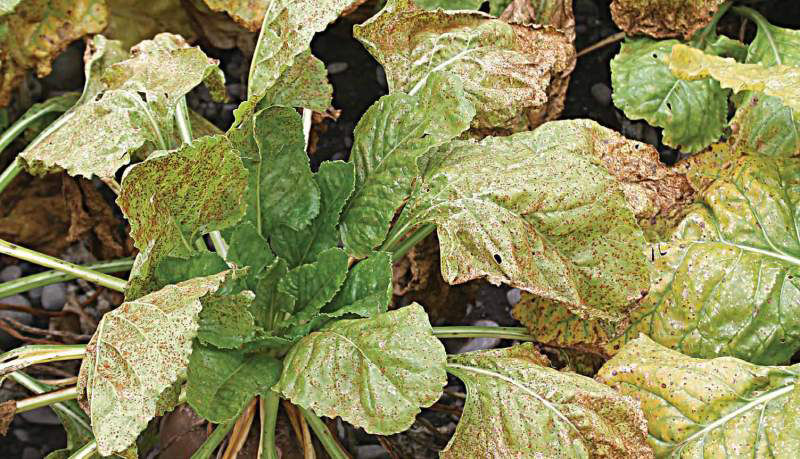
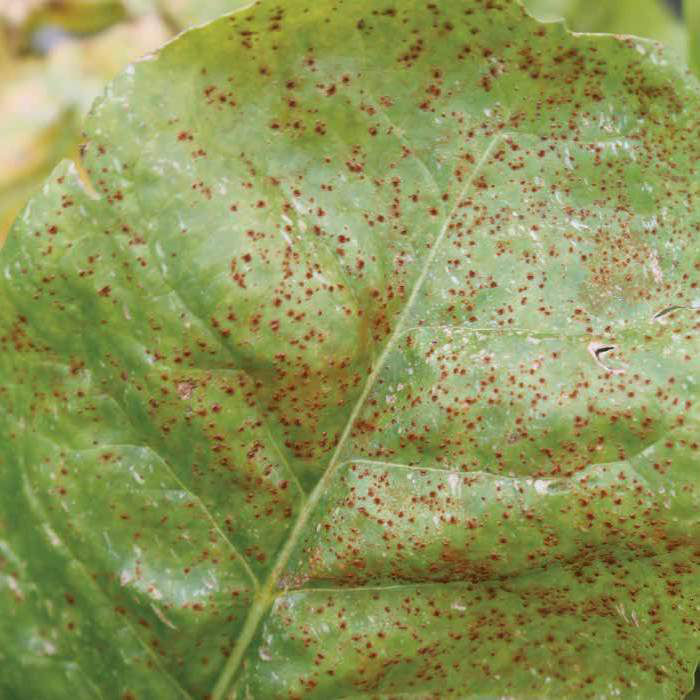
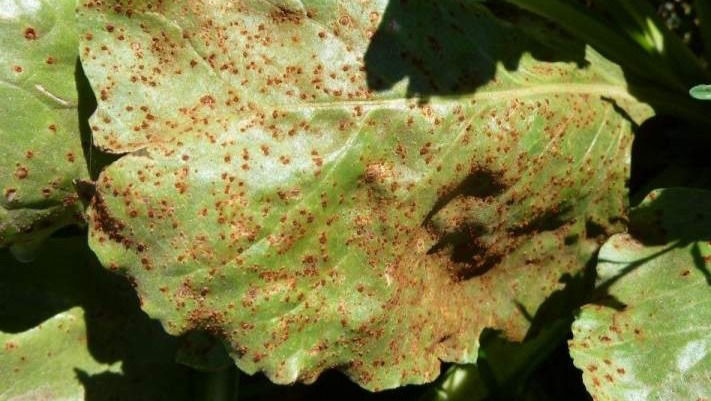
Favoured in cool and wet seasons, Beet rust (Uromyces beticola) is commonly seen in beet crops. Characteristic symptoms are raised red pustules on leaves. Severe infestations can lead to leaf loss and reduce yields.
Main Host
Fodder and sugar beet.
Symptoms
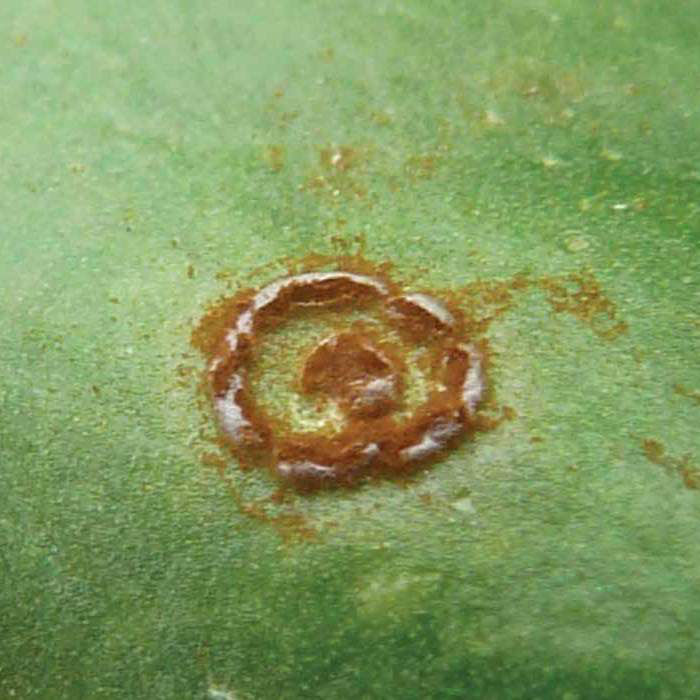
Small circular (1-2 mm) raised pustules that are red-orange or brown colour. They can be found on both sides of the leaf and leaf stalk and usually have a yellow halo.
Life Cycle
To overwinter, beet rust must have living beet material (fodder beet, sugar beet, spinach, swiss chard etc.) to survive. From early spring the beet plant is susceptible to attack by beet rust, but it is the late season attack that has the greatest effect. In the late summer or early autumn, beet rust can increase very quickly, causing older leaves to wilt and die.
Weather Conditions
Disease development is favoured by cool (16-20ºC), moist weather.
Economic Impact
Reduces the palatability of leaves and in Europe, beet rust infections have been shown to lead to moderate yield reductions in sugar beet.
Control
Escolta has a label claim for the control of beet rust.