


Hit disease hard with ‘DMI fungicide stacking’
About
-
Category
- Product News
-
Date
06 August, 2025
About
Category
- Product News
Date
06 August, 2025
Over the past few years both Kestrel® and Prosaro® have delivered outstanding control of SLB in NZ. Both Kestrel and Prosaro contain two DMI fungicides, prothioconazole and tebuconazole, and it is this that ensures consistent control SLB.
The use of ready formulated fungicides containing multiple DMI active ingredients is referred to as ‘DMI stacking’.
Fungicide resistance is increasing
While fungicide resistance doesn’t get talked about as much as herbicide resistance, it is a real and increasing threat to cereal production in New Zealand.
All cereal diseases are capable of developing resistance to many of the available fungicide groups (DMI, QoI (strobilurin), SDHI) with septoria leaf blotch (SLB), scald, net blotch (NB) and ramularia leaf blotch (RLS) raising the greatest concern.
And fungicide resistance can be scary. Even making economic cereal growing difficult to achieve.
If you think this can’t happen then look at Australia to see what can happen. In SA and WA strains of net blotch have been identified that are resistant to DMI, strobilurin and SDHI fungicides. A triple whammy that leaves limited fungicide options available to control net blotch, a devastating disease.
And what has happened in Australia could happen here, and not just to net blotch, if we do not take steps to address it now.
Related Products


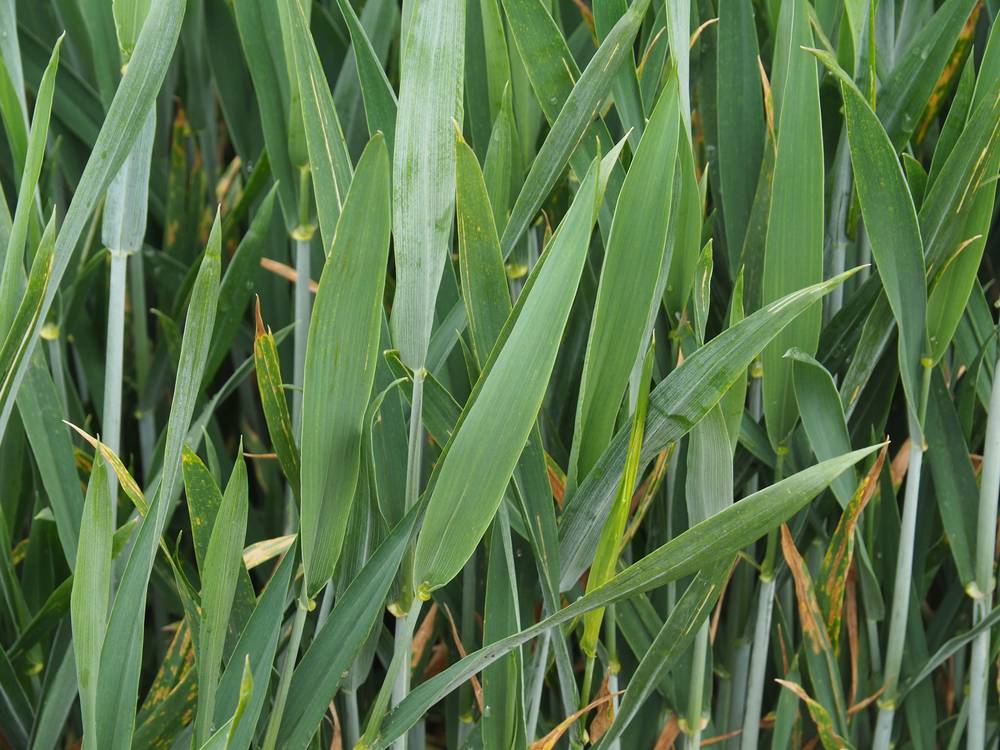
Actions to manage the development of fungicide resistance
Prior to spring key factors that can help delay the onset of fungicide resistance are crop rotation, cultivar choice, and practicing good paddock hygiene and sound plant agronomy.
But now spring as arrived, and disease is set to infect your crops, these actions, apart from practicing sound agronomy, are no longer an option and so what can be done now to slow resistance developing.
It comes down to responsible fungicide use. Apply a fungicide programme that incorporates different fungicide modes of action, apply the label dose rate, use fungicides that are effective against the expected diseases and aim to apply fungicides either prior to or at the start of disease infection.
DMI fungicides are a go-to choice
When it comes to fungicide types a go-to choice is DMI fungicides. DMI fungicides have been the mainstay of fungicide programmes for the last 50 years and with care they will remain so for many more years to come.
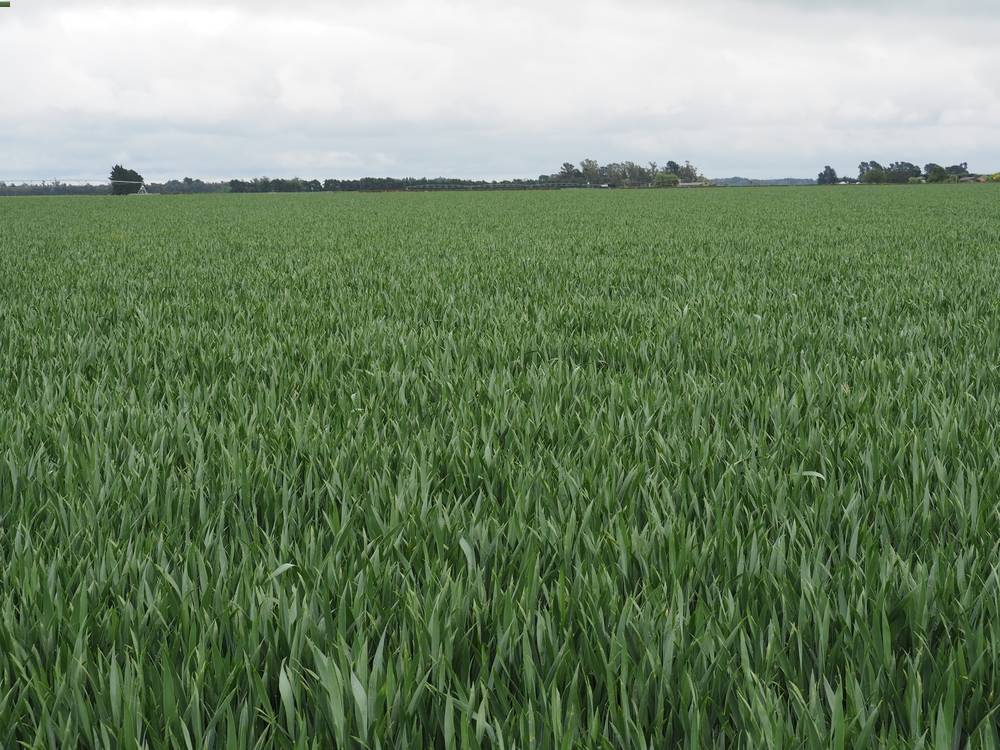
During this time Bayer has developed several DMI fungicides in NZ and currently has available prothioconazole and tebuconazole for cereal disease control.
Speckled leaf blotch (SLB) is probably the most important wheat disease in NZ, and it is always top of mind when planning fungicide programmes. Fungicides such as Prosaro and Kestrel, which contain the DMI fungicides prothioconazole and tebuconazole, have been the foundation of SLB control in NZ for many years.
Loss of efficacy of DMI fungicides in controlling SLB is always a threat but here in NZ we are in a relatively good position, as DMI fungicides continue to be effective against SLB. But we need to work hard to keep it that way. Just look at Europe to see how difficult it is to control SLB if the key DMI fungicides start to lose their effectiveness.
What is DMI stacking?
Early in the development of prothioconazole it was observed that while prothioconazole alone provides excellent control of SLB, more effective control could be achieved by mixing prothioconazole and tebuconazole together. The term DMI stacking was adopted to describe this mixture.
Why does DMI stacking work?
In any paddock the population of the fungal pathogen which causes SLB (Zymoseptoria tritici) is varied with different isolates varying in their susceptibility to different triazole fungicides.
By applying prothioconazole and tebuconazole in mixture, you deliver a double blow. By controlling more elements of the SLB population it achieves more complete disease control. In turn this leaves behind less fungal pathogens that may be in the process of developing resistance.
Prosaro and Kestrel, DMI stacked fungicides.
Two popular arable fungicides which adopt DMI stacking are Prosaro and Kestrel.
Both Prosaro and Kestrel contain the DMI fungicides prothioconazole and tebuconazole, formulated together into well balanced and very effective ratios, that have been extensively tested under New Zealand conditions.
These products deliver very effective control of SLB, leaf and stripe rust in wheat while supporting a strong fungicide resistance management approach.
They are also very effective fungicides for the control of many key diseases of barley and ryegrass seed crops. With spring around the corner, and disease development starting anytime now, now is the time to plan your fungicide programmes. Incorporate Prosaro or Kestrel in mixture with non-DMI fungicides, such as the very effective SDHI fungicide VIMOY® iblon®.